
Fishing seems simple – just add bait to a hook and wait, right? Many new anglers quickly discover there’s much more to successful fishing than meets the eye. Avoiding common beginner mistakes can dramatically improve your catches and make your time on the water more enjoyable.
Even experienced anglers make these errors occasionally, but recognizing them early can save you hours of frustration. From choosing the wrong gear to misreading water conditions, these missteps create barriers between you and landing that prize catch.
The good news is that most fishing mistakes are easily corrected with a bit of knowledge and practice. By understanding what not to do, you’ll develop better habits and increase your success rate faster than you might expect.
Key Takeaways
- Proper gear selection and maintenance significantly increase fishing success rates.
- Understanding local water conditions and fish behavior patterns leads to better catch results.
- Following safety precautions and fishing regulations ensures sustainable enjoyment of the sport.
Overlooking Essential Fishing Gear
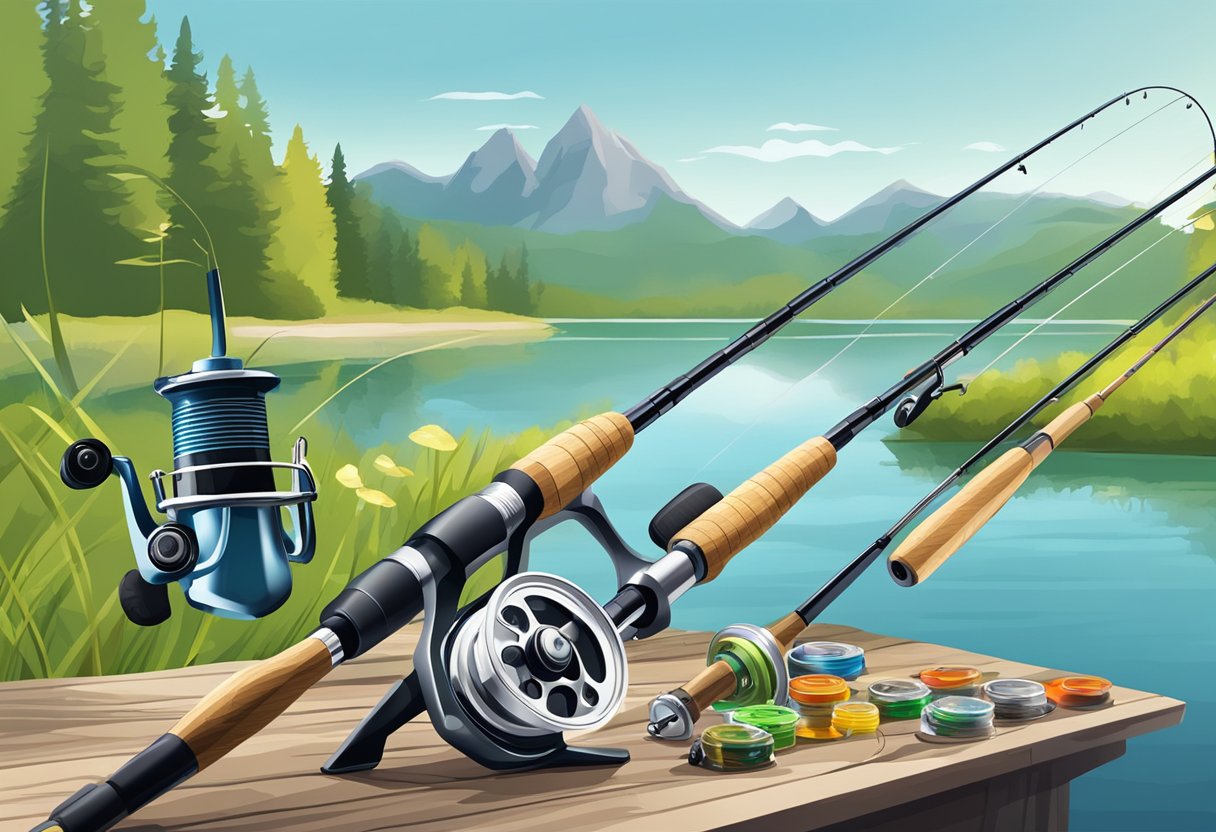
Many beginners focus on catching fish but forget about having the right equipment. Proper gear selection dramatically increases your chances of success on the water.
Selecting the Right Rod and Reel
Beginners often purchase rods and reels that don’t match their fishing environment or target species. A medium-action spinning rod (6-7 feet) works well for most freshwater fishing situations.
Spinning reels are more user-friendly than baitcasting reels for novices. They reduce line tangles and are easier to cast.
Consider these factors when selecting equipment:
- Target fish size: Larger fish require sturdier rods
- Fishing location: Different waters demand different setups
- Comfort: The rod should feel balanced in your hands
Rods have power ratings (ultra-light to heavy) and action ratings (slow to fast). Match these to your fishing style and target species.
Using Appropriate Fishing Line
The wrong fishing line can break at crucial moments or spook fish. Three main types exist: monofilament, fluorocarbon, and braided.
Monofilament is stretchy and forgiving—ideal for beginners. It works well in most situations and is affordable.
Fluorocarbon is nearly invisible underwater, making it excellent for clear water. It has less stretch than mono but is more expensive.
Braided line offers incredible strength for its diameter but is highly visible. It’s best used with a fluorocarbon leader.
Line strength (pound test) should match your target species. Don’t go too heavy—lighter line casts farther and gets more bites.
Choosing Suitable Hooks and Bait
Hook size and bait selection directly impact catching success. Smaller hooks (sizes 8-4) work best for panfish and trout, while larger hooks (sizes 2-5/0) suit bass and other predatory fish.
Beginners should start with these versatile baits:
- Live worms: Attract nearly all freshwater species
- Soft plastic worms: Effective for bass year-round
- Spinners: Easy to use and catch many species
Hook styles matter too. Circle hooks are ideal for catch-and-release as they typically hook fish in the corner of the mouth.
Always carry basic terminal tackle including:
- Split shot weights
- Bobbers/floats
- Swivels to prevent line twist
Ignoring Water and Weather Conditions
Many beginner anglers overlook crucial environmental factors that dramatically affect fish behavior. Weather and water conditions directly influence where fish feed and how actively they bite.
Understanding Weather Patterns
Fish are highly sensitive to barometric pressure changes. Before storms, when pressure drops, fish often feed more aggressively. After storms pass, they typically become less active.
Wind direction matters too. It pushes food sources toward shorelines, attracting hungry fish. On windy days, try fishing the downwind side of lakes where baitfish gather.
Sunny days drive fish deeper or into shaded areas. Cloudy conditions often trigger feeding as fish feel more comfortable moving in open water.
Seasonal patterns affect fish location. In spring, fish move to shallow, warmer waters. Summer heat pushes them deeper. Fall brings them back to shallows as water cools.
Recognizing Water Clarity and Temperature
Water temperature significantly impacts fish metabolism. In cold water (below 50°F), fish move slowly and feed less. In warm water (65-75°F), most species become more active.
Use a thermometer to find the optimal temperature for your target species. Bass prefer 65-75°F, while trout thrive in cooler 55-65°F waters.
Water clarity affects lure selection. In clear water, use natural colors and smaller lures. In murky conditions, try brighter colors and lures that create vibration.
Water levels matter too. Rising water pushes fish toward newly flooded areas with fresh food sources. Falling water concentrates fish in deeper channels.
Neglecting Casting Techniques
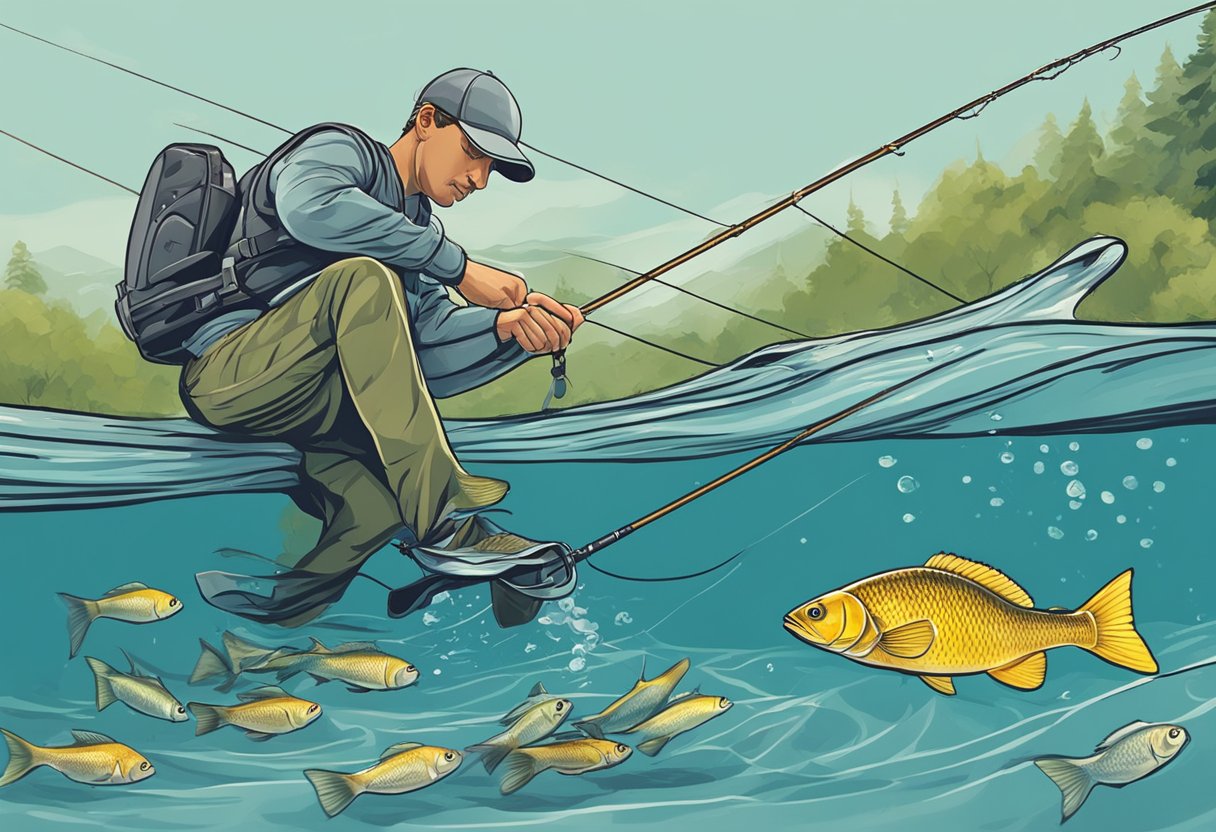
Many beginners focus on expensive gear but overlook the fundamental skill of casting. Proper casting techniques directly impact fishing success and determine whether you’ll catch fish or just feed them.
Improper Casting Form
Poor casting form leads to frustration and missed opportunities. The most common mistake is using too much arm and not enough wrist. This creates wild, inaccurate casts that spook fish. Instead, think of casting as a smooth, fluid motion that starts with the rod tip low and ends with a crisp forward stop.
Grip matters significantly. Hold the rod too tightly, and you’ll limit wrist flexibility. Too loose, and you’ll lack control. The ideal grip feels natural, like a firm handshake.
Timing issues plague many beginners. Rushing the backcast or delaying the forward cast causes tangles and reduced distance. Practice the pause at the top of your backcast—this allows the line to fully extend behind you before moving forward.
Inaccurate Targeting
Casting randomly into water wastes time and reduces catch rates. Successful anglers cast to specific targets where fish likely hide—near fallen trees, weed edges, or rock piles.
Distance isn’t always the goal. A short, accurate cast often outperforms a long, imprecise one. Focus on placing your lure or bait within 12 inches of your target.
Wind creates additional challenges. Instead of fighting it, use it to your advantage. When casting into the wind, use a lower rod angle and more power. When casting with the wind, ease up on power to prevent overruns.
Practice accuracy by setting up targets in your yard. Buckets, hula hoops, or paper plates make excellent targets. Spend 15 minutes practicing daily, and your on-water results will improve dramatically.
Mismanaging Line Handling
Proper line handling is critical for fishing success. Many beginner anglers struggle with managing their fishing line effectively, leading to missed catches and frustrating experiences.
Setting the Hook Incorrectly
The moment a fish bites requires quick but measured action. Many beginners either set the hook too aggressively or too weakly. When a fish strikes, use a firm but controlled motion to set the hook – a quick upward or sideways motion of the rod tip, depending on your fishing style.
Different fish require different hook-setting techniques:
- Bass fishing: Use a sharp, sideways motion
- Trout fishing: A gentle upward lift works best
- Catfish: Give them time to take the bait before setting
Watch the line and rod tip for subtle movements indicating a bite. Patience is key. Setting too early or too late results in lost fish, while excessive force can tear the hook from the fish’s mouth.
Overtightening or Loosening Drag
Drag settings determine how much line releases when a fish pulls. This crucial system requires proper adjustment based on target species and line strength.
Signs of improper drag settings:
- Too tight: Line breaks when fish pulls
- Too loose: Hook fails to set properly or fish spits the hook
Test your drag before fishing by pulling line from the reel. It should release smoothly with steady pressure. As a general rule, set your drag to approximately 25-30% of your line’s breaking strength.
During the fight, adjust as needed. Increase drag as the fish tires, but don’t overdo it. Many beginners panic and tighten drag too much when a large fish strikes, often resulting in broken line or damaged equipment.
Failing to Research Target Species
Many beginner anglers grab their gear and head out without learning about the fish they’re trying to catch. This mistake significantly reduces your chances of success and wastes valuable fishing time.
Identifying Local Fish Habits
Different fish species have unique behaviors that affect when and where you’ll find them. Bass typically prefer structures like fallen trees and rocky areas where they can ambush prey. Trout favor cool, oxygen-rich waters and often feed near the surface during insect hatches.
Weather and seasons strongly influence fish location. During summer heat, many species move to deeper, cooler waters. In spring, they may congregate in spawning areas near shores.
Use fishing apps, local fishing reports, and topographic maps to identify promising spots. Local bait shops are excellent resources for current conditions and hot spots.
Adjusting Techniques for Different Species
Each fish species responds to different presentation methods. Catfish rely heavily on smell, making strong-scented baits effective. Bass are visual predators that react well to movement and vibration from lures.
Adjust your equipment based on species:
- Panfish: Light tackle, small hooks (#6-10)
- Bass: Medium tackle, larger hooks (#1-4)
- Pike/Muskie: Heavy tackle, steel leaders
Retrieve speeds matter too. Some fish chase fast-moving lures while others prefer slower presentations. Walleye often strike when lures pause or change direction suddenly.
Research feeding patterns before your trip. Morning and evening typically offer prime fishing times for many species, but some feed actively at night or during specific tide changes.
Poor Location Selection
Location selection can make or break your fishing success. Many new anglers pick spots randomly without considering fish habits or environmental conditions.
Overlooking Productive Fishing Spots
New anglers often fish in areas that look appealing rather than where fish actually live. They miss structure-rich environments like fallen trees, rock piles, and weed edges where fish naturally congregate for food and protection.
Key productive areas to target:
- Points and drop-offs where shallow water meets deep water
- Areas with current that brings food to waiting fish
- Shaded regions that offer cooler water in hot conditions
- Places with oxygen-rich water near dams or inlets
Seasonal patterns matter too. Fish move from deep water to shallows depending on time of year and water temperature. Learning to read contour maps or using fish finders helps identify underwater structures that hold fish.
Fishing at the Wrong Time of Day
Timing significantly impacts fishing success. Many beginners fish whenever it’s convenient rather than when fish are most active.
Early morning and evening hours (dawn and dusk) typically offer prime feeding times when fish are naturally more active. These periods provide lower light conditions that make fish feel secure while hunting.
Weather patterns affect timing too:
- Overcast days extend bite periods
- Bright, sunny conditions push fish deeper or into cover
- Barometric pressure changes before and after storms trigger feeding frenzies
Seasonal considerations also influence daily activity. Summer may require early morning or night fishing to avoid heat, while winter often produces better results during warmer midday hours.
Disregarding Local Regulations and Conservation
Many beginners overlook fishing regulations, which can lead to legal problems and harm fish populations. Following local rules protects both the environment and your fishing experience.
Not Checking Licensing Requirements
Fishing without a proper license is among the most common mistakes. Each state has its own licensing rules that vary based on resident status, age, and fishing location (freshwater vs. saltwater). Penalties for fishing without a license can include fines from $50 to $500 or more.
Before heading out, research your state’s fishing license requirements online or through your local wildlife agency. Many states offer convenient options like:
- Day passes for occasional anglers
- Annual licenses for regular fishing
- Multi-year options for committed fishers
- Mobile apps for digital license storage
Some locations offer free fishing days throughout the year when no license is required. These provide perfect opportunities to try fishing without the initial investment.
Ignoring Catch Limits and Protected Species
Catch limits exist to maintain healthy fish populations. These regulations specify:
- The number of fish you can keep
- Size requirements (minimum and maximum lengths)
- Seasonal restrictions during spawning periods
Learning to identify protected species is crucial for conservation. Endangered fish must be released immediately using proper catch-and-release techniques to ensure survival.
Always check the current regulations before each trip, as they can change based on population studies. Fishing handbooks from local wildlife departments provide detailed information about protected waters and species.
Using a fishing app with up-to-date regulations can help you stay informed while on the water. Many include features to identify fish species and verify local rules.
Neglecting Equipment Maintenance
Fishing equipment requires regular care to function properly. Many beginners overlook this crucial aspect, leading to poor performance and shortened gear lifespan.
Reels need consistent cleaning and lubrication. Salt, dirt, and debris can cause corrosion and mechanical issues if left untreated. A simple rinse with fresh water after each trip can prevent most problems.
Fishing rods benefit from periodic inspection. Check guides for cracks or rough spots that might fray your line. Wipe down rod blanks to prevent dirt buildup that can weaken the material over time.
Common Maintenance Mistakes:
- Storing wet equipment
- Never lubricating reel parts
- Ignoring line wear and abrasion
- Failing to tighten loose components
- Using incorrect cleaning products
Fishing line requires attention too. Replace monofilament annually, as it degrades from sunlight exposure. Braided lines last longer but should be examined regularly for fraying.
Tackle boxes become disorganized chaos zones for many beginners. Rusty hooks and corroded lures waste money and risk fish health. Sort and dry metal components after use to extend their usefulness.
A simple maintenance schedule can save anglers hundreds of dollars. Set calendar reminders for seasonal deep cleaning of all equipment. This practice ensures gear remains reliable when that trophy fish strikes.
Lack of Safety Precautions
Safety should always be a priority when fishing. Many beginners overlook crucial safety measures that can protect them from accidents, injuries, and environmental hazards.
Improper Sun and Weather Protection
Beginners often underestimate the power of the sun and changing weather conditions. Extended exposure to UV rays can cause severe sunburn, heat exhaustion, or even heatstroke.
Always apply waterproof sunscreen with at least SPF 30 and reapply every two hours. Wear a wide-brimmed hat, polarized sunglasses, and lightweight, long-sleeved clothing for additional protection.
Weather conditions can change rapidly near bodies of water. Check the forecast before heading out and watch for warning signs like darkening clouds or sudden wind changes.
Consider investing in UV-protective fishing apparel. Many brands offer clothing with UPF 50+ ratings specifically designed for anglers.
Forgetting First Aid and Emergency Preparedness
New anglers frequently neglect to pack essential safety items. This oversight can turn minor incidents into serious emergencies.
Basic Fishing First Aid Kit Should Include:
- Waterproof bandages
- Antiseptic wipes
- Tweezers (for hook removal)
- Medical tape
- Pain relievers
- Antihistamines
Always carry a fully charged phone in a waterproof case. Let someone know where you’ll be fishing and when you expect to return.
Learn basic first aid for fishing-related injuries, particularly hook removal and treatment of cuts. Carrying a whistle can help alert others if you need assistance in remote areas.
Overconfidence and Lack of Patience
Many beginning anglers start with high expectations. They believe they’ll catch fish quickly and easily. This overconfidence often leads to disappointment.
Fishing requires patience above all else. Experienced anglers know that hours can pass without a single bite. Beginners often give up too soon or change spots too frequently.
Common signs of fishing impatience:
- Changing lures every few minutes
- Moving to new spots after only 15-20 minutes
- Getting frustrated when fish don’t bite immediately
- Reeling in too quickly or checking bait constantly
A successful fishing trip means being prepared to wait. Fish have their own schedules and feeding patterns that don’t always match our timeline.
Weather and water conditions affect fish behavior significantly. What worked yesterday might not work today. Patience allows anglers to adapt and learn these patterns over time.
Try setting realistic expectations before heading out. Plan to spend at least an hour in a promising spot before moving. Bring something to occupy yourself during slow periods.
Remember that even professional anglers experience slow days. The difference is they don’t let impatience ruin their technique or enjoyment of the sport.
Leave a Reply