
Bottom fishing over reefs and wrecks targets species that thrive near complex underwater structures. The key to success lies in choosing the right gear, bait, and techniques to reach fish hiding close to the bottom around these habitats. Understanding water depth, current, and fish behavior improves catch rates significantly.
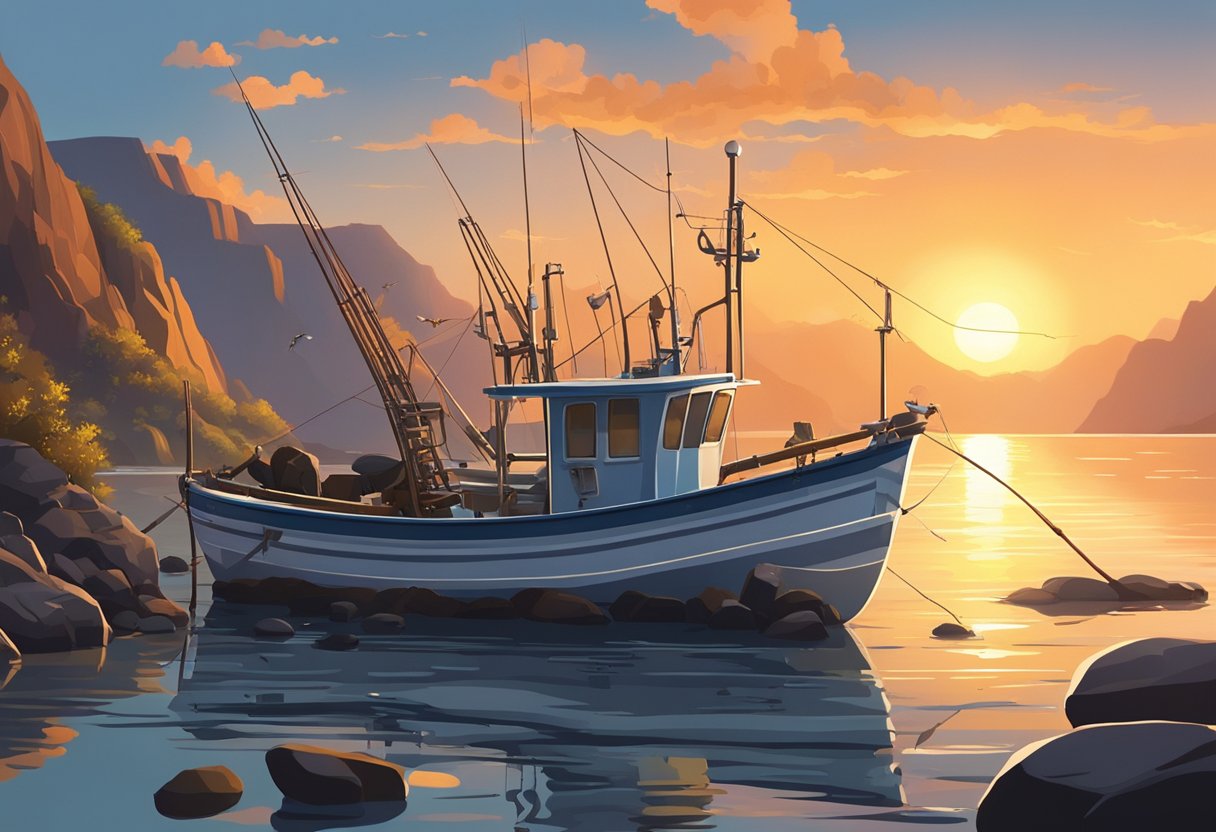
Reefs and wrecks create natural shelter attracting a variety of bottom-dwelling fish. Anglers benefit from knowing how to approach these areas without spooking fish or snagging gear on underwater obstacles.
This guide provides practical advice on equipment setup, where to locate productive spots, and strategies for adapting to changing conditions. It is designed for anglers looking to maximize bottom fishing results in challenging environments.
Understanding Bottom Fishing Over Reefs and Wrecks
Bottom fishing over reefs and wrecks targets species that live near underwater structures. Success depends on understanding these environments, the fish they attract, and potential hazards.
What Is Bottom Fishing?
Bottom fishing is a technique where anglers drop baited hooks to the seafloor to catch fish species that dwell near the bottom. It often involves the use of weighted rigs to keep the bait stationary in currents.
This method targets fish that feed close to rocky bottoms, reefs, or shipwrecks. Gear commonly includes strong rods, reels with ample line, and heavy sinkers to maintain position on uneven terrain.
Bottom fishing can be done from boats anchored or drifting, depending on the depth and conditions. Anglers rely on sounders or GPS to locate promising underwater structures.
Why Target Reefs and Wrecks?
Reefs and wrecks create complex underwater habitats rich in cover and food sources. They attract small fish and crustaceans, which in turn lure larger predatory species.
These structures concentrate fish populations, making them prime spots for anglers. The variety of niches at reefs and wrecks supports diverse fish species all year round.
Fishing near reefs can be productive because the physical formations provide shelter from currents and predators. Wrecks add vertical relief on flat seabeds, increasing habitat complexity.
Common Fish Species Found
Species like snapper, grouper, amberjack, and triggerfish are common over reefs and wrecks. These fish prefer the shelter and food availability these structures provide.
Other species often encountered include sea bass, flounder, and cod. Each spot may yield different species depending on water temperature, depth, and regional ecosystem.
Target species usually have strong mouths and can be caught using bait such as squid, cut fish, or live shrimp. Knowing species habits improves bait choice and fishing strategy.
Challenges and Risks
Bottom fishing over reefs and wrecks involves risks such as snags on underwater structures. Hooks and lines frequently get caught on rocks or debris, risking lost tackle.
Handling strong fish that hide in structures requires proper equipment and technique to prevent break-offs. Strong currents near reefs also make boat control and line management difficult.
Navigation hazards exist around wrecks due to shallow parts or protruding debris. Anglers must be cautious with anchors and aware of boat positioning to avoid damage and accidents.
Essential Tackle and Gear for Bottom Fishing
Successful bottom fishing depends on selecting the proper equipment tailored to reef and wreck environments. The right combination of rods, reels, line, sinkers, and terminal tackle ensures strength, sensitivity, and control during fishing.
Rods and Reels for Deep Structure
Bottom fishing over reefs and wrecks requires a medium-heavy to heavy rod with a fast action tip. This allows for strong hook sets while maintaining sensitivity to detect subtle bites. Lengths between 6.5 to 7.5 feet are typical, balancing casting distance and control when pulling fish from structure.
Reels should be saltwater-rated with sufficient line capacity, usually a conventional or low-profile baitcasting reel. A strong drag system with smooth operation is critical for handling hard-pulling fish around rocky bottom structures or wreckage.
Line Selection and Leaders
Braided line with a 30-50 lb test is preferred because of its low stretch and high sensitivity, enabling anglers to feel light bites and maintain strong hook sets. Braided line also cuts through currents better and resists abrasions near sharp coral or metal.
For leaders, fluorocarbon in the 40-60 lb test range provides abrasion resistance and low visibility underwater. Lengths of 2 to 4 feet protect the line from rough surfaces while maintaining flexibility. Heavy-duty leaders reduce break-offs caused by sharp edges on reefs or wrecks.
Choosing the Right Sinkers and Rigs
Sinker weight depends on current strength and depth but typically ranges from 2 to 6 ounces for reef fishing. Heavier sinkers hold the bait near the bottom in strong currents, while lighter sinkers prevent snagging in calm conditions.
Popular rig choices include the fish-finder rig and the high-low rig. These rigs keep bait close to the bottom while minimizing snags. Using a swivel or bead above the sinker can reduce line twists and improve bait presentation.
Terminal Tackle and Accessories
Hooks should be strong and sharp with sizes ranging from 2/0 to 6/0, depending on target species. Circle hooks are effective for bottom species as they increase hook-up rates and reduce gut hooking.
Additional gear includes bead stoppers, swivels, and leader knots like the Palomar for reliability. Using a hook keeper and rod holders can improve efficiency and reduce line tangles during fishing over structure.
Effective Baits and Lures
Choosing the right bait or lure is critical for success when bottom fishing over reefs and wrecks. Factors such as scent, movement, and color play a significant role in attracting targeted species in these environments.
Natural Baits for Reefs and Wrecks
Natural baits like cut squid, shrimp, and small fish pieces are effective because they release strong scents that attract bottom-dwelling predators. Cut mackerel and herring are common choices for wreck fishing due to their oily texture.
Baits should be fresh or properly frozen to maintain scent and durability. Fish such as grouper, snapper, and amberjack respond well to these baits because they rely heavily on smell to locate food near complex structures.
Bait size matters; larger chunks catch bigger fish but may deter smaller species. Using bait rigs with multiple hooks increases chances of hooking more than one fish when targeting schooling species near reefs.
Artificial Lures and Their Applications
Jigs and soft plastic lures mimic injured prey and are practical for reefs and wrecks because of their versatility in depth and action. Heavy metal jigs are common for penetrating strong currents found near wrecks.
Using a slow, deliberate jigging motion triggers strikes from species like amberjack and wreckfish. Soft plastics rigged on weighted hooks imitate natural movement among rocks and coral.
Color selection matters; bright colors like chartreuse and red stand out in low-light reef conditions, while metallic finishes attract fish by reflecting ambient light. Lures should be durable enough to handle abrasive environments.
Live Bait Techniques
Live bait is highly effective near reefs and wrecks because it exhibits natural movement and scent, stimulating predatory fish instincts. Common live baits include pinfish, shrimp, and small grunts.
Proper rigging is essential to keep live bait lively without restricting movement. Floating rigs or circle hooks allow natural swimming action, increasing strike rates.
Using a fish finder to locate concentrations of live bait can help position anglers optimally. Hooking live bait through lips or dorsal fins minimizes harm, keeping them active longer and more enticing to predators.
Finding Productive Reefs and Wrecks
Identifying the best reefs and wrecks requires precise tools and observation. Factors such as location, water behavior, and timing influence where fish congregate.
Using Charts and Marine Electronics
Fishing charts highlight underwater structures essential for bottom fishing, like reefs and wrecks. Using updated nautical charts helps spot these areas accurately.
Modern fish finders and sonar reveal the depth and shape of the seafloor. They detect fish presence and structure detail, improving site selection.
GPS combined with electronic maps allows anglers to mark and revisit productive spots. Detailed bathymetric data aids in pinpointing subtle features like ledges or depressions near reefs.
Reading Water Conditions
Water clarity and temperature directly affect fish activity around reefs and wrecks. Clear water allows predators to hunt, whereas murky conditions might reduce visibility.
Current direction and speed distribute bait and nutrients. Fish often hold on the downstream side of structures where food concentrates.
Salinity and oxygen levels also play roles. Areas with stable conditions tend to support more abundant marine life, leading to better fishing results.
Seasonal and Tidal Considerations
Fish behavior changes with the seasons, influencing reef and wreck productivity. Warmer months typically increase baitfish presence, attracting predators.
Tides impact fish feeding patterns. Incoming tides often bring nutrient-rich water to structures, encouraging active feeding near reefs and wrecks.
Timing trips with high tides or periods shortly after tide changes can enhance catch rates. Different species respond uniquely, so understanding local patterns is crucial.
Bottom Fishing Techniques for Success
Effective bottom fishing requires precise control of boat position and understanding how currents interact with reefs or wrecks. Anglers must adapt their techniques based on water movement and structure layout to maximize hook-ups.
Anchoring Strategies
Proper anchoring keeps the boat stable over productive bottom spots. Use heavy-duty anchors designed for rocky or coral bottoms, such as a plow or grapnel anchor. Ensure the anchor reaches the seabed securely by paying out at least five times the water depth in line length.
Set the anchor upstream of the target area so the boat drifts naturally toward the reef or wreck while maintaining position. Check anchor holding regularly to avoid dragging, as this can ruin line setup and scare fish.
Use multiple anchors if necessary to limit rotation or swinging caused by wind shifts. This technique is particularly useful on larger boats fishing deeper or wider reef patches.
Drift Fishing Methods
Drift fishing lets anglers cover more ground along reefs or wrecks while presenting baits naturally. Adjust drift speed to about 0.3 to 0.6 knots to keep the bait close to the bottom without snaring.
Deploy bottom rigs such as a fish-finder or dropper loop rig, ensuring the weight keeps the bait slack but able to move slightly with the current. Use electronic drift meters or GPS to monitor speed and adjust engine to maintain optimal drift.
Plan multiple drifts perpendicular to the structure’s edge for thorough coverage. Anglers should mark waypoints before drifting to return if a productive zone is found.
Spot Lock and Positioning
Spot lock technology allows a boat to hold at fixed GPS coordinates using the onboard motor and software. This is valuable when fishing specific reef contours or wreck hotspots impacted by shifting currents.
The angler can stay directly over the target area while adjusting rod angle and bait depth more precisely. Combining spot lock with drift trolling rigs maximizes bait presentation by controlling boat movement subtly.
Position the boat slightly up- or down-current based on current strength to reduce line slack and improve sensitivity. Spot lock helps conserve fuel compared to constant anchoring attempts in tough bottom conditions.
Presentation and Hooking Tactics
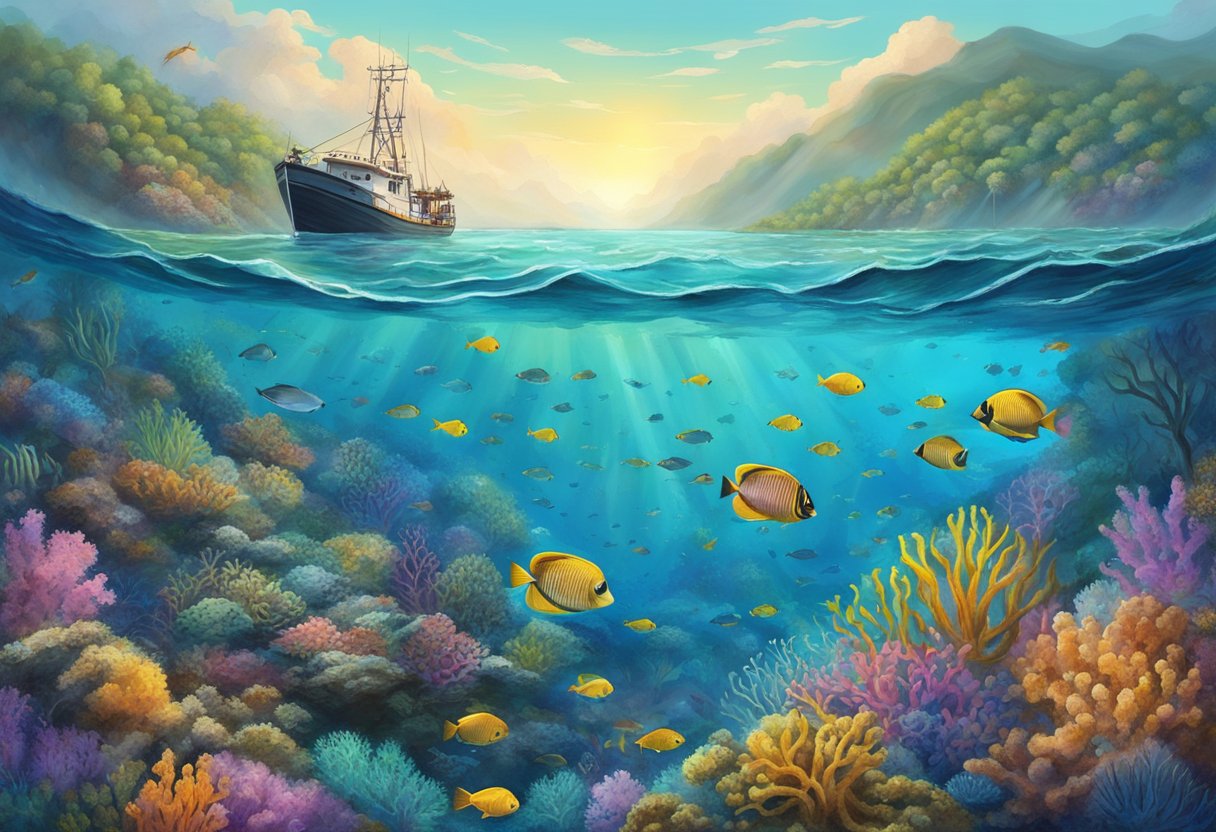
Effective bait presentation and timely hook setting are essential for success when fishing over reefs and wrecks. The focus should be on mimicking natural movement and positioning bait near structure dwellers without spooking them. Recognizing bites quickly and setting the hook decisively improves catch rates significantly.
Bait Presentation for Structure Dwellers
Bait must be presented near the bottom, close to structures like reefs and wrecks where fish hide. Using a fish finder rig or a Carolina rig helps keep the bait just off the sea floor, allowing it to move naturally with currents.
Soft, natural baits such as squid strips, small fish, or shrimp work best. The bait should have slight, subtle movement to attract predators like grouper or snapper that patrol these areas. Avoid dragging the bait across the bottom to reduce snags and maintain a lifelike presentation.
Adjust bait size and type based on the target species’ preference. Heavier sinkers are recommended in strong currents to hold the bait in place. Lures that mimic injured prey can also be effective but require smooth, controlled retrieves.
Detecting Bites and Setting Hooks
Sensitivity is key when fishing over structure. Fish bites are often cautious and hard to feel because bottom structure can absorb line movement. Anglers should watch the rod tip for small twitches or sudden drops.
Light line and sensitive rod tips increase bite detection. When a bite is detected, a quick, firm hook set helps penetrate tough mouths typical of reef species. Delays in setting the hook can result in missed fish or broken lines.
A sharp upward or sideways motion is best for setting hooks on hard-mouthed species like snapper or grouper. Reeling in slack line immediately after the first pull ensures steady tension to keep the fish hooked.
Safety and Conservation Practices
Proper techniques and respect for the environment ensure long-term health of fishing sites and personal safety. Adhering to guidelines protects reefs and wrecks while promoting sustainable fishing.
Reef and Wreck Conservation
Reefs and wrecks are fragile ecosystems that support diverse marine life. Fishers should avoid anchoring directly on coral or wreck structures to prevent physical damage. Using mooring buoys where available reduces harm to these habitats.
Discarded fishing gear can entangle marine animals or damage habitats. Fishers must retrieve or dispose of lines and hooks responsibly. Avoiding the collection or disturbance of marine organisms is critical for maintaining biodiversity.
Marine protected areas often include reefs and wrecks. Compliance with local regulations, including seasonal closures and catch limits, helps preserve fish populations and habitat integrity.
Ethical Fishing Practices
Selective targeting and size limits protect breeding populations and ensure species survival. Fishers should use appropriate tackle to minimize bycatch and handle fish gently to improve their chances of survival after release.
Avoiding overfishing by sticking to daily bag limits sustains population levels. Proper identification of species prevents accidental catch of protected or endangered fish.
Respecting other anglers and sharing the space responsibly improves safety and enjoyment. Using non-lead weights eliminates toxic pollution common in fishing areas near reefs and wrecks.
Advanced Tips and Troubleshooting
Successful bottom fishing over reefs and wrecks often requires fine-tuning techniques and adapting to specific challenges. Recognizing common problems and employing effective strategies can improve catch rates and reduce gear loss.
Dealing with Snags
Snags are common when fishing near reefs or wrecks due to complex underwater structures. To reduce snagging, anglers should use a shock leader made of heavy monofilament or fluorocarbon to absorb sudden pulls.
Using a fish finder rig or snag-resistant hooks can help prevent line tangles. When a snag happens, avoid jerking the rod abruptly. Instead, apply steady pressure and try slowly reversing the reel.
If the line remains stuck, cutting it close to the hook may be necessary to avoid losing the entire rig. Carry spare gear to quickly re-rig and continue fishing.
Night Fishing Over Structures
Fishing at night requires extra preparation for safety and effectiveness. Use bright headlamps with red filters to maintain night vision without spooking fish.
Set up your boat near the structure using GPS coordinates cached during daytime. Use weighted rigs to feel the bottom and avoid drifting.
Nighttime can increase fish activity near reefs and wrecks. Anglers should use bioluminescent or glow-in-the-dark lures to attract species like grouper or snapper.
Maintain quiet and minimize boat light reflections on the water to avoid scaring fish away. Monitoring tides and moon phases also helps identify optimal feeding times.
Trip Planning and Preparation
Before heading out, anglers should research the area thoroughly. Understanding the reef or wreck location, tides, and weather conditions is essential. Checking local fishing regulations helps avoid fines and protects marine life.
Packing the right gear is critical. Essential items include sturdy rods and reels designed for bottom fishing, weighted rigs, and a variety of bait such as cut bait or live bait. Safety equipment like life jackets and first aid kits must not be overlooked.
They should also prepare for changing weather by bringing sun protection and rain gear. A reliable GPS or chartplotter improves navigation and helps mark productive spots.
A checklist simplifies preparation:
| Item | Purpose |
|---|---|
| Rod and reel | Bottom fishing setup |
| Bait | Attract target species |
| Weighted rigs | Keep bait near the bottom |
| Life jacket | Safety |
| GPS or chartplotter | Navigation |
| Knife | Cutting bait and lines |
| Sun/rain protection | Comfort and safety |
By planning with attention to detail, fishermen increase their chances for a productive and safe outing.

Leave a Reply to John Cancel reply